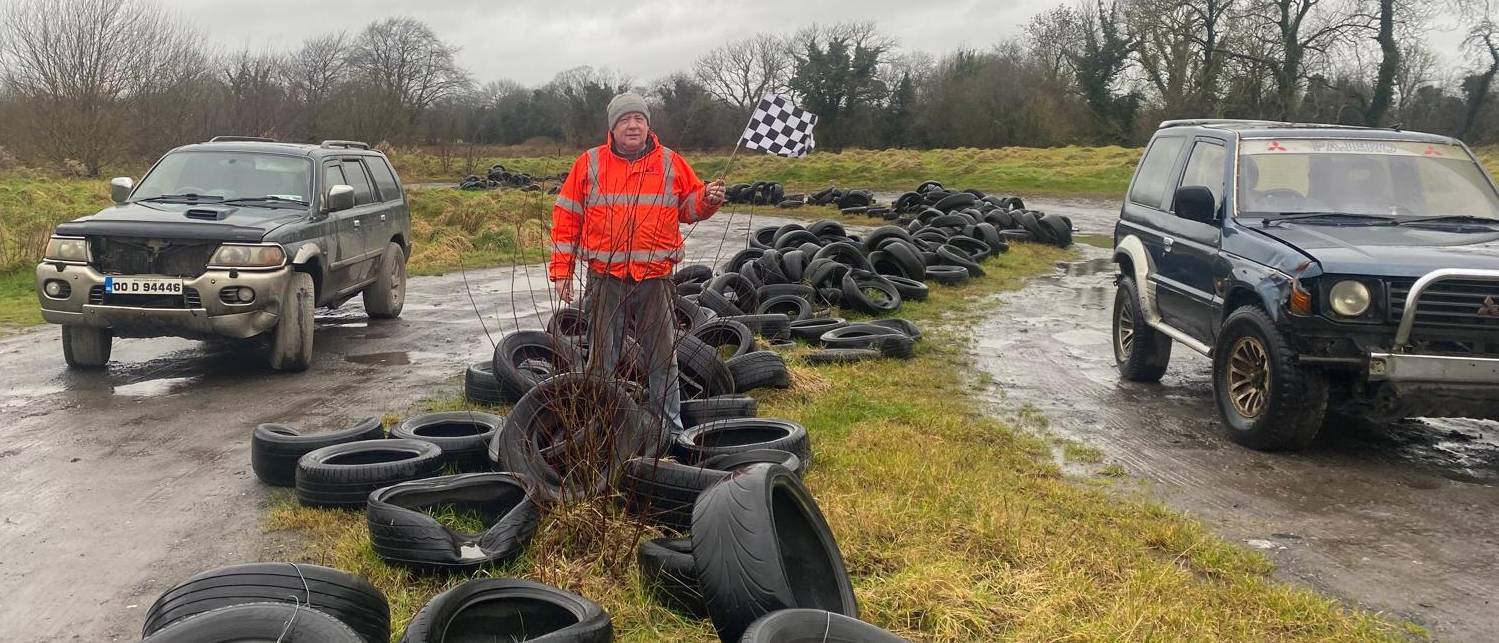
A reverse steering jeep experience is exactly what it sounds like: the steering response is reversed, so turning the wheel right makes the vehicle go left, and turning left sends it right. It’s a strange feeling at first, but it’s also a very practical way to understand how your brain builds driving habits. In a reverse steering driving experience, you’re not chasing speed or trying to be flashy, you’re learning control, timing, and calm decision-making. And because it’s typically run as an off-road driving experience Ireland visitors and locals look for, the loose surface adds another layer, keeping the focus on smooth inputs and good technique rather than sharp movements.
Reverse steering, explained in plain English
Most of us drive on autopilot. You’ve done the same steering action thousands of times, so your brain stops “thinking” and starts reacting. Reverse steering flips that habit on its head.
Instead of:
You get:
That one change creates an instant mismatch between what your eyes see and what your hands want to do. It’s not dangerous by default, it’s just confusing at first, which is why the setup is normally done in a controlled environment, at low speed, with a clear safety briefing.
Instead of:
- steer right → car goes right
- steer left → car goes left
You get:
- steer right → vehicle goes left
- steer left → vehicle goes right
That one change creates an instant mismatch between what your eyes see and what your hands want to do. It’s not dangerous by default, it’s just confusing at first, which is why the setup is normally done in a controlled environment, at low speed, with a clear safety briefing.
What it feels like the first time
For beginners, the first few minutes usually go like this:
The interesting part is that you can’t brute-force it. If you get tense and start yanking the wheel, it gets worse. If you relax, look where you want to go, and make small corrections, it improves fast.
- you turn the wheel the “correct” way out of habit
- the jeep moves the opposite way
- you over-correct
- you slow down
- then it clicks, and you start making calmer inputs
The interesting part is that you can’t brute-force it. If you get tense and start yanking the wheel, it gets worse. If you relax, look where you want to go, and make small corrections, it improves fast.
What happens during a typical session
Every venue runs it a bit differently, but a normal reverse steering driving experience tends to follow a similar structure.
Arrival and briefing
You’ll usually:
- check in
- get a basic explanation of the vehicle and controls
- hear the safety rules and how the track is managed
You’re told the key idea early: go slow, keep your hands light, and let your eyes lead.
Familiarisation laps
You start with gentle movement:
- straight lines first
- then wide turns
- then tighter turns once you feel it working
This stage is where most people stop fighting the steering and begin to adapt.
Practice runs
After the basics, you repeat short runs to build consistency:
- approach, turn, recover
- stay smooth rather than fast
- learn how early to start your turn
Optional timed runs
Some places add timing for a bit of fun. If they do, the goal is still control. Most people improve simply by being calmer, not by being more aggressive.
Is it hard?
It’s “hard” in the way learning a new skill is hard. You’re not learning complicated theory, you’re just re-training your reaction.
Most beginners can:
The biggest separator isn’t driving experience, it’s patience. People who slow down and make small steering inputs usually progress quickest.
Most beginners can:
- get moving confidently within a few minutes
- complete turns smoothly after a few runs
- feel a real improvement by the end of the session
The biggest separator isn’t driving experience, it’s patience. People who slow down and make small steering inputs usually progress quickest.
Is it safe?
A reverse steering jeep experience is normally designed to be safe by keeping the variables controlled:
Like any driving activity, it depends on following instructions. The “reverse” part is exactly why it’s supervised and structured.
- low-to-moderate speeds
- defined track direction
- clear rules about spacing and overtaking (often none)
- briefing before anyone drives
- marshals or supervision
Like any driving activity, it depends on following instructions. The “reverse” part is exactly why it’s supervised and structured.
Who is it for?
This kind of off-road driving experience Ireland visitors often search for suits a wide mix of people
Great for
- someone who wants something different from standard karting or quad biking
- groups who want a shared laugh without needing fitness or skill
- anyone curious about how quickly humans can adapt
Not ideal for
- people expecting high-speed thrills as the main point
- anyone who doesn’t like the feeling of being a beginner for a few minutes
- drivers who want full freedom rather than a structured track session
What to wear and bring
Keep it simple:
Most of the time, you won’t need specialist gear. If a venue supplies helmets or safety equipment, they’ll tell you on booking.
- comfortable clothes you don’t mind getting a bit dusty
- sturdy shoes (no flimsy soles)
- a warm layer in Irish weather
- glasses secured if you wear them
Most of the time, you won’t need specialist gear. If a venue supplies helmets or safety equipment, they’ll tell you on booking.
Tips for enjoying it (and getting good fast)
These are the small things that make a big difference:
- look where you want to go, not at the obstacle or the wheel
- use tiny steering inputs, then wait half a second before changing again
- slow down before the turn, not during the turn
- breathe and relax your shoulders — tension makes your hands twitchy
- don’t chase a “perfect run” early — the learning is the point
Why it’s strangely educational
Even though it’s fun, it teaches real principles:
That’s why a reverse steering jeep experience feels so memorable: it’s not just a novelty, it’s your brain visibly adapting in real time
- habits can overpower intention
- vision leads control (your eyes matter more than your hands)
- smooth driving beats aggressive driving
- staying calm improves decision-making under pressure
That’s why a reverse steering jeep experience feels so memorable: it’s not just a novelty, it’s your brain visibly adapting in real time
A reverse steering driving experience is a simple idea with a surprisingly big effect. By flipping the steering response, it turns a familiar skill into a new challenge, in a controlled setting that rewards calm inputs and quick learning. If you’re looking for an off-road driving experience Ireland offers that’s genuinely different, reverse steering stands out because it’s as much about mindset as it is about driving.