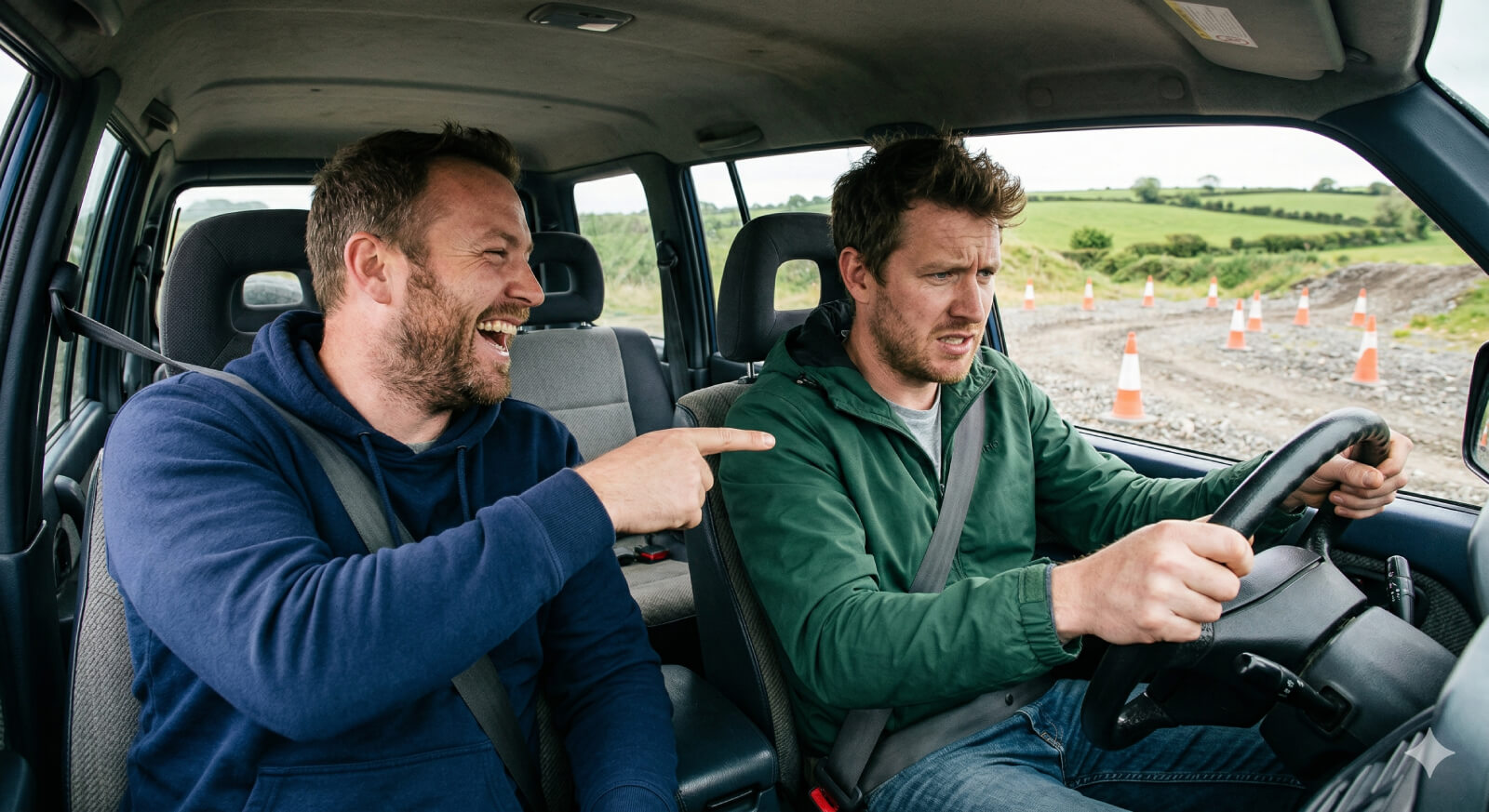
You get into the driver’s seat, put your hands on the wheel, and press the pedal. It is a sequence you have performed thousands of times. You want to avoid a cone on the left, so you naturally turn the wheel to the right. But suddenly, the Jeep swerves left. Your brain freezes, your passenger bursts into laughter, and you realize that everything you know about driving has just been turned upside down.
Welcome to the world of Reverse Steer Jeeps. But why is it so incredibly difficult to simply turn the wheel the "wrong" way? The answer lies not in your driving skills, but in the fascinating science of muscle memory and cognitive dissonance.
The Power of Muscle Memory
When you first learned to drive, every action required conscious thought. You had to actively think about checking mirrors, indicating, and turning the steering wheel. Over time, through a process called "motor learning," these actions became automatic. Your brain created strong neural pathways, allowing you to steer a car instinctively while having a conversation or listening to the radio. This is what we commonly call muscle memory.
The Cognitive Dissonance of Inverted Steering
When you sit behind the wheel of one of our specially modified Jeeps on our off-road track, your brain expects the standard rules of physics to apply. However, our steering mechanisms are inverted.
When your eyes see an obstacle on the left, your brain instantly sends a subconscious signal to your hands to turn right. But when that action causes the vehicle to move closer to the obstacle, it creates "cognitive dissonance"—a severe mismatch between what you expect to happen and what actually happens. Your brain practically short-circuits trying to rewrite years of ingrained habits in a matter of seconds.
Why Sharing the Jeep Makes It Better
This mental block is exactly why this activity is so entertaining, especially for groups. The frustration of the driver is a joy to watch. Because passengers are welcome to ride along in the Jeep, they get a front-row seat to this psychological puzzle. Sitting next to a friend who is desperately trying to convince their hands to do the opposite of what feels natural is often funnier than driving the track yourself!
Who Adapts Faster?
Interestingly, having decades of driving experience can actually be a disadvantage here. The stronger your standard muscle memory, the harder it is to break. Sometimes, younger drivers or those with less time on the road adapt to the reverse steering slightly faster because their neural pathways aren't as rigidly set. Curious about the minimum age or license requirements to test this theory? You can find all the rules on our FAQ page.
The Ultimate Brain Puzzle for Motor Enthusiasts
Ultimately, reverse steering is less of a physical driving test and more of a mental puzzle. It requires intense concentration, mindfulness, and the ability to laugh at yourself when your instincts inevitably betray you. It's an unforgettable way to spend an afternoon in County Meath, proving that sometimes, low speeds can provide the highest levels of adrenaline.
Give the Gift of a Mental Challenge
Do you know someone who prides themselves on their driving abilities? Put their muscle memory to the test. Surprising them with one of our Gift Vouchers is the perfect way to challenge their brain and guarantee a day full of laughter.
Conclusion
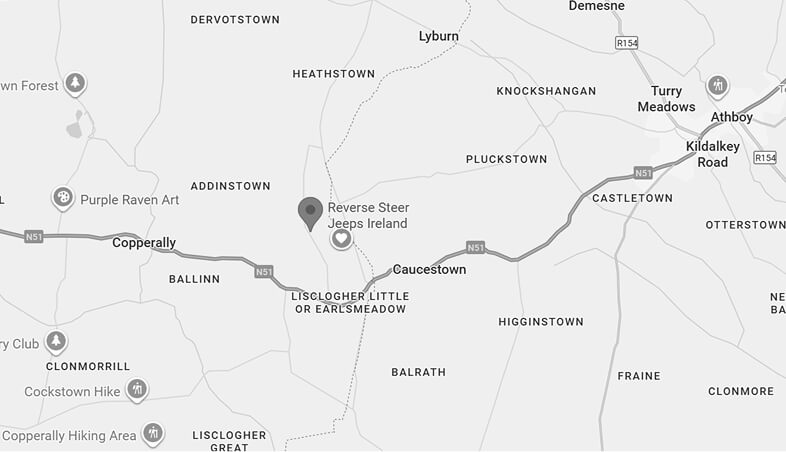
The next time you find yourself turning the wrong way into a line of traffic cones, don't blame your hands—blame your brain! Re-learning how to drive in a matter of minutes is a hilarious, safe, and truly unique experience. Come down to our track near Athboy and see if you can conquer your own muscle memory.